


The Model Husband (digital quality)
Comedy




Acclaimed National Socialist Euthanasia Classic - Often Discussed Rarely Seen
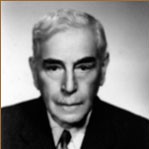
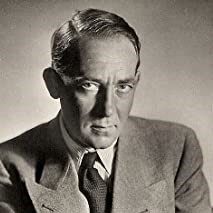
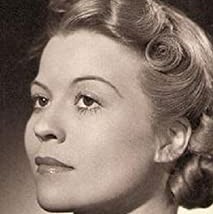
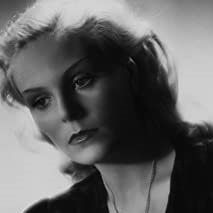
Wolfgang Liebeneiner’s Ich klage an (I Accuse) is a lyrical treatment of a controversial topic—mercy killing—featuring sensitive performances by Paul Hartmann as the physician who administers a fatal overdose to his incurably ill wife; Heidemarie Hatheyer as the wife who begs him to release her from her suffering; and Mathias Wieman as the doctor who refuses her request. Gentle, loving, moving, the picture promotes assisted suicide, a quagmire as conflicted in the twenty-first century as it was in 1941. The genesis of the film came from a recommendation by Professor Karl Brandt, a member of the Führer’s entourage, that a picture be produced to persuade the public to accept the policy of euthanasia. The film’s virtually subliminal message is that the state must assume responsibility for the involuntary liquidation of the mentally handicapped. For decades thereafter, German physicians remembered its impact and the debates it stimulated about the morality of medical killing. Reports made by the Sicherheitsdienst (the SS Security Service or SD) following the picture’s release on 29 August 1941 indicate that the film was favorably received, the majority of Germans, as well as most physicians, accepting its argument. Starting in 1939, victims were registered at Hereditary Health Courts, examined, and then transported to specially selected clinics where their lives were terminated. Does Ich klage an possess demonic qualities? It does not. It is a respectable, artistic triumph that was used to promote a program that went far beyond anything proposed in the picture. Its director later called it “a document of humanity in an inhuman time.” Directed by Wolfgang Liebeneiner; music by Norbert Schultze; featuring Heidemarie Hatheyer, Paul Hartmann, and Mathias Wieman.
One of the greatest movies ever. This is far more than a piece of fine dramatic cinema with a phenomenal cast. The writing is high-wire taut and its courtroom scenes in particular make for riveting viewing. Heidemarie Hatheyer’s performance as the young wife is especially transcendent. This is truly an eye-opening film and a lot of the ethical and moral stigma surrounding the issue to this day are based in religion or feelings not in reason. This film helps you to understand that and rethink your stance. The debate in the jury room (over the euthanizing of the wife and the guilt of her murderer) is one of the best written and deepest dialogs in cinematic history. Nothing even close to this was produced in Jewish shtetl Marxist Hollywood.



There are no reviews yet. Be the first one to write one.