

Ray of Sunshine (digital quality)
Drama




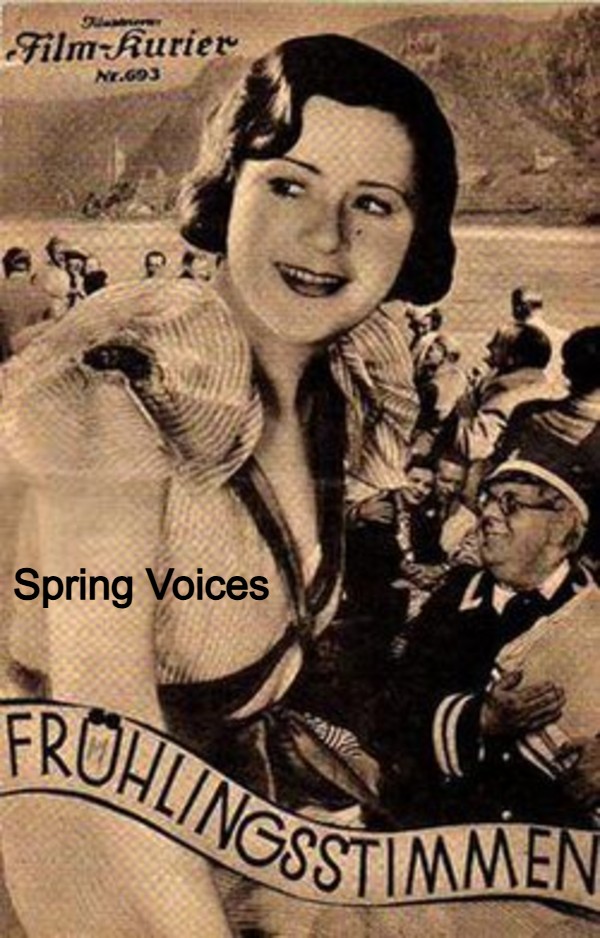
Frühlingsstimmen (internationally released as Voices of Spring) is a 1933 Austrian musical comedy film directed by the Hungarian-American filmmaker Pál Fejös. Named after Johann Strauss II's famous 1882 waltz of the same name, the film is an example of the popular "Viennese Film" genre of the 1930s.
The movie is a light-hearted, romantic musical farce. It follows the misadventures of two sisters, Hannerl and Olly. Hannerl is an aspiring singer gifted with a beautiful voice. Against a backdrop of mistaken identities, backstage theatrical antics, and typical Viennese charm, Hannerl falls in love and tries to secure her big break on stage. The narrative functions primarily as a vehicle for sweeping romance, comedic misunderstandings, and grand musical performances—climaxing with Adele Kern's vocal rendition of the title waltz.
The film was produced during a highly volatile political shift in Europe. It represents an early example of "Austrofascist cinema"—films crafted to project an idealized, nostalgic, and politically detached myth of Old Vienna to counter contemporary economic anxieties.
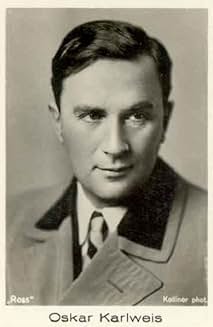
Shortly before the film's release, Germany's newly established Reichskulturkammer under Joseph Goebbels banned films utilizing Jewish talent. Because Frühlingsstimmen featured prominent Jewish artists (such as actor Oskar Karlweis and co-writer Richard Arvay), Nazi Germany blocked its distribution, cutting the film off from its largest intended export market.
This movie is brought to you thanks to an anonymous donor dedicated to scholarly studies of Third Reich Cinema.
There are no reviews yet. Be the first one to write one.