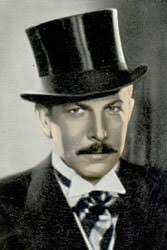





Pipin the Short (digital quality)
Comedy




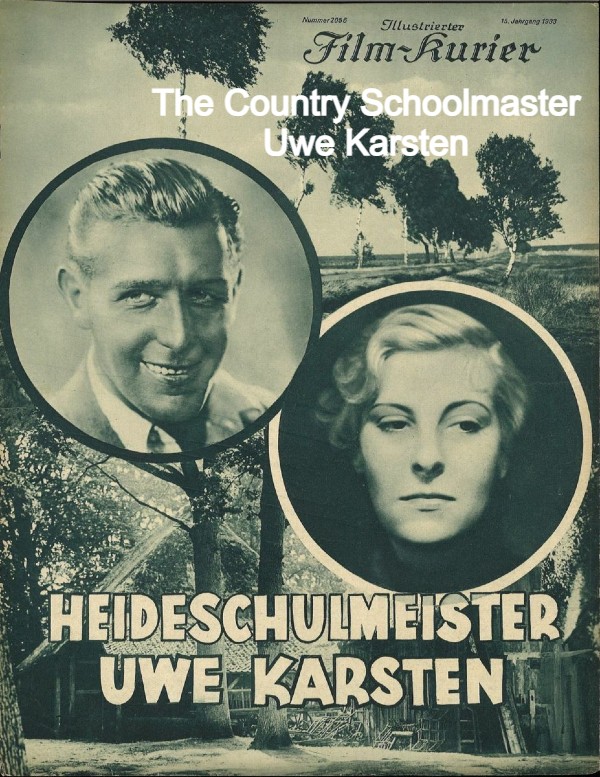
"Heideschulmeister Uwe Karsten" (The Country Schoolmaster) is a drama film directed by Carl Heinz Wolff. The film is an adaptation of a popular regional novel by Felicitas Rose, rooted in the Heimatfilm tradition that celebrates rural life, traditional values, and local landscapes.
The story follows Uwe Karsten, a dedicated young schoolteacher. He turns down a prestigious opportunity to become an instructor at a university in Hamburg because he prefers his rural Heimat (homeland). The narrative shifts to Ursula Diewen, a merchant's daughter who flees to the countryside after calling off her wedding upon discovering her fiancé's hidden past.
This movie is brought to you thanks to an anonymous donor dedicated to scholarly studies of Third Reich Cinema.
The film is National Socialist in essence. It heavily emphasizes “blood and soil” and Heimat ideologies—a core of the National Socialist ideology. The film focuses on the “German man and German song in the German landscape”. Also, it’s worth noting a contrast between the National Socialist vision of children’s recreation and the contemporary situation.
There are no reviews yet. Be the first one to write one.